
Understanding the Basics of Casino Gambling
Casino gambling has been an integral part of human entertainment for centuries, evolving from informal gatherings to elaborate establishments filled with excitement. Many individuals are drawn to casinos for the thrill that comes with chance and the enticing potential for a significant win. However, a comprehensive understanding of how casinos operate is essential for separating fact from fiction, which is where resources like bodylabyrinth.co.uk can provide valuable insights into the complexities of the industry. At its essence, casino gambling is a game of probability, frequently misrepresented by misconceptions regarding the odds and strategies involved.
A prevalent myth is that certain games are «rigged» against players. While casinos implement a house edge to ensure profitability, this does not imply that players cannot win. The house edge denotes the average percentage of each bet that the casino anticipates retaining over time. For instance, in games like roulette, the house edge is approximately 5.26%. This statistic indicates that, on average, players may expect to lose around $5.26 for every $100 wagered. Grasping this figure allows gamblers to manage their expectations and play more responsibly.
Moreover, every game in a casino employs random number generators or physical devices designed to ensure fair play. Many gamblers mistakenly believe that certain patterns can predict future outcomes, but this is a fallacy. Each spin of the wheel or shuffle of cards represents an independent event, rendering any prior results irrelevant. Familiarity with these fundamentals demystifies the allure of gambling, enabling players to approach it with a more realistic mindset and ultimately enhancing their gambling experience.
Debunking Common Misconceptions
One widespread misconception is that specific machines or tables are «due» for a payout. This belief often leads players to invest excessive amounts of time and money into particular games, convinced that a win is imminent simply because they haven’t won in a while. In reality, each machine functions independently based on programmed odds, and casinos do not manipulate winnings according to past performance. This notion is unfounded and can result in substantial financial losses.
Another common myth is that skill-based games, such as poker, guarantee winnings if played with the right strategy. While skill can enhance a player’s chances, the inherent unpredictability of other players’ actions and the random distribution of cards means that no outcome can be assured. Therefore, while skill may improve a player’s performance, it does not eliminate the risks associated with gambling. Players must approach these games with both strategy and caution, recognizing that luck still plays a significant role.
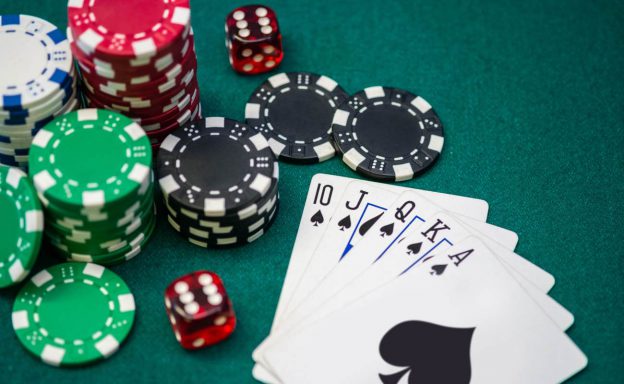
Additionally, many people believe that extended play increases the likelihood of winning. In fact, this can lead to the opposite effect. The longer a player engages in gambling, the more likely they are to lose due to the house edge. Responsible gaming practices involve setting limits on both time and money spent to enjoy the experience without falling into the misconception that persistence guarantees profits. Understanding this principle can help players maintain a healthier approach to gambling.
The Role of Luck and Skill in Gambling
Luck is undeniably a significant factor in gambling, often overshadowing the importance of skill. Many casual gamblers assume that luck alone determines the outcome of games like slots or roulette. While luck indeed plays a role, especially in games of chance, understanding the strategies and skills involved can greatly influence outcomes in skill-based games like poker or blackjack. Recognizing when fortune favors you can assist players in making informed decisions, managing their bets effectively, and optimizing their gaming experiences.
Conversely, skill-based games demand that players develop strategies to maximize their winning potential. For example, poker requires not only a solid understanding of game rules but also the ability to read opponents and recognize psychological tactics. Experienced players can analyze their opponents’ behaviors to predict actions, thereby gaining an advantage over less seasoned gamblers. Thus, while luck remains an essential component, skill can significantly affect a player’s success in these games.
The balance between luck and skill varies across different games. Games like baccarat and craps heavily rely on luck, while poker and blackjack present opportunities for skillful play. Acknowledging this distinction can help players choose games that align with their preferences and enhance the overall gambling experience. Engaging in games that suit their skills and luck tolerance fosters a more enjoyable and rewarding gaming environment.
Responsible Gambling Practices
Responsible gambling is a crucial aspect of enjoying casino games while minimizing the risks associated with gambling addiction. One of the fundamental principles of responsible gaming is setting a budget before playing. Establishing a spending limit ensures that players maintain financial control and prevents them from chasing losses. Players should only gamble with money that they can afford to lose, enabling them to keep gambling a pleasurable activity rather than a financial burden.

Recognizing the signs of problem gambling is equally important. Indicators can include gambling more frequently than planned, feeling anxious or depressed about losses, and neglecting personal responsibilities in favor of gambling. By identifying these signs early, players can seek help through professional resources or support groups. Many casinos provide information about responsible gaming practices and resources for individuals looking for assistance, empowering players to make more informed choices.
Lastly, taking breaks during gambling sessions can offer players perspective and reduce the risk of impulsive decisions. Enjoying the social aspects of casinos—such as dining, attending shows, or engaging in conversations—can create a more balanced experience. It’s vital to remember that gambling should serve as a source of entertainment rather than a stressor in one’s life. This mindset helps preserve the excitement and enjoyment that gambling can provide.
Discovering the Benefits of Online Resources
The internet has revolutionized the way individuals engage with casino gambling, providing a wealth of resources for players to learn and enhance their skills. Online platforms offer tutorials, strategy guides, and expert insights that can elevate one’s understanding of various games. These resources empower both novice and seasoned players to approach gambling with greater knowledge, ultimately boosting their confidence and enjoyment of the experience.
Many online casinos also feature free or demo versions of games, allowing players to practice without incurring financial risk. This opportunity enables individuals to experiment with different strategies and familiarize themselves with game mechanics prior to wagering real money. Utilizing such resources can lead to more educated decisions and potentially improved outcomes when playing for real stakes.
Furthermore, online communities and forums serve as platforms for players to share experiences and insights. Engaging with fellow gamblers fosters a sense of camaraderie and allows individuals to learn from others’ successes and mistakes. These discussions can clarify common myths and misconceptions about gambling, contributing to a more informed player base. In this digital age, embracing these online resources significantly enriches the overall gambling experience, enhancing enjoyment and understanding.